
FELINE LOWER URINARY
TRACT DISEASE
FLUTD
Feline cystitis
Have you noticed your cat urinating outside of their litter tray? Have you perhaps heard them scratching around in their tray more often than normal? These subtle signs are easily overlooked, but may be indications your feline friend is experiencing discomfort from feline lower urinary tract disease (FLUTD).
What is FLUTD?
FLUTD is a common condition seen in cats of all ages. The most common causes can be
urinary crystals or stones
bacterial infection
idiopathic cystitis (the cause of which is unknown but may be precipitated by stress)
Regardless of the cause, symptoms are similar and include; increased frequency of urination, pain or vocalisation during urination, straining, urination in places other than the litter tray, blood in the urine and excessive licking of the genitals. Male cats can develop complete blockage of the urethra, rendering them unable to urinate (a life threatening condition requiring immediate intervention).
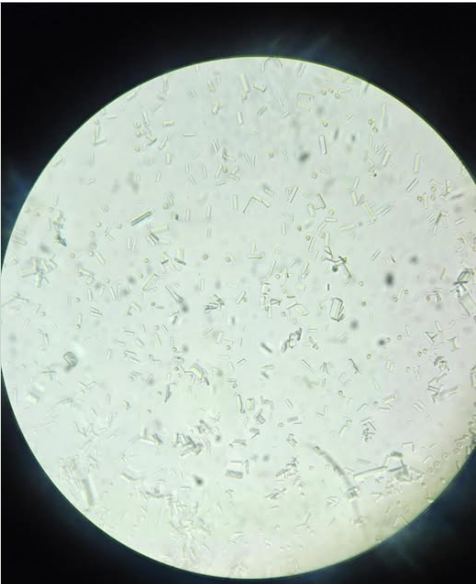
coffin shapes represent struvite crystals found in a urine sample and examined under the microscope
Diagnosis and treatment
If you notice any changes to your cat’s urinary habits, it is best to have them assessed by a veterinarian. In male cats particularly, it is recommended this occurs as a matter of priority. In most instances, analysis of a urine sample is recommended as the first step. Sometimes medications are started whilst waiting for a sample to be collected to improve comfort.
A urine test will help the vet to
rule in/out a bacterial infection and crystals as factors contributing to your cat’s symptoms
allows assessment of the concentrating ability of the kidneys
allows quantification of glucose and inflammation.
Additional diagnostics including imaging of the urinary tract (via X-rays or ultrasound), urine culture and blood tests are recommended in some cases.
Once more information is known about the possible causes of your cat’s urinary symptoms, a treatment plan can be made. This may include specific medications (such as antibiotics in the case of a bacterial infection), or more general supportive measures such as pain relief, anti-inflammatories or supplements to improve bladder health. Sometimes a diet change is recommended. Male cats with urethral obstruction will need to be urgently unblocked by passing a urinary catheter and many require hospitalisation.
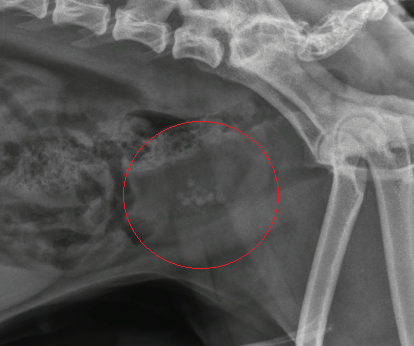
radiographs show mineral formations in the shape of stones - bladder stones
Tips for a happy healthy bladder
General tips for minimising FLUTD episodes include:
Providing adequate numbers of appropriately positioned litter trays (one per cat in the household plus an extra is a good rule of thumb)
Ensuring litter tray cleanliness
Minimising sources of stress
Encouraging hydration by feeding a wet diet or offering a water fountain
Feeding a urinary specific diet if this has been recommended by your vet
Maintaining your cat at a healthy weight (overweight cats are predisposed)